Yerevan Doesn't Need An Approval
The Armenian capital has been here for three thousand years. It will outlast your itinerary too.
There is a particular kind of city that does not arrange itself for visitors. Yerevan is one of them. It does not have a neighbourhood that exists solely for tourists, no strip of cafés performing authenticity for foreign cameras. What it has instead is a city getting on with itself — loudly, slowly, and with considerable style.
Yerevan is pink. Not as a design choice but as a geological fact. The tuff stone quarried from the surrounding volcanic plains gives the city its particular blush, a warmth that changes hour by hour as the light moves across the Ararat valley. In the early morning the buildings look almost terracotta. By evening they go the colour of old roses. The mountain — Ararat, technically in Turkey, perpetually Armenian in sentiment — watches from the distance like a rumour nobody has stopped believing.
The city moves at its own rhythm. Mornings begin late and seriously, with coffee that arrives small, strong, and without apology. The café culture here is not about efficiency. It is about the table, the conversation, the particular pleasure of having nowhere urgently to be. Locals will spend two hours over one coffee and consider this time well used. They are right.
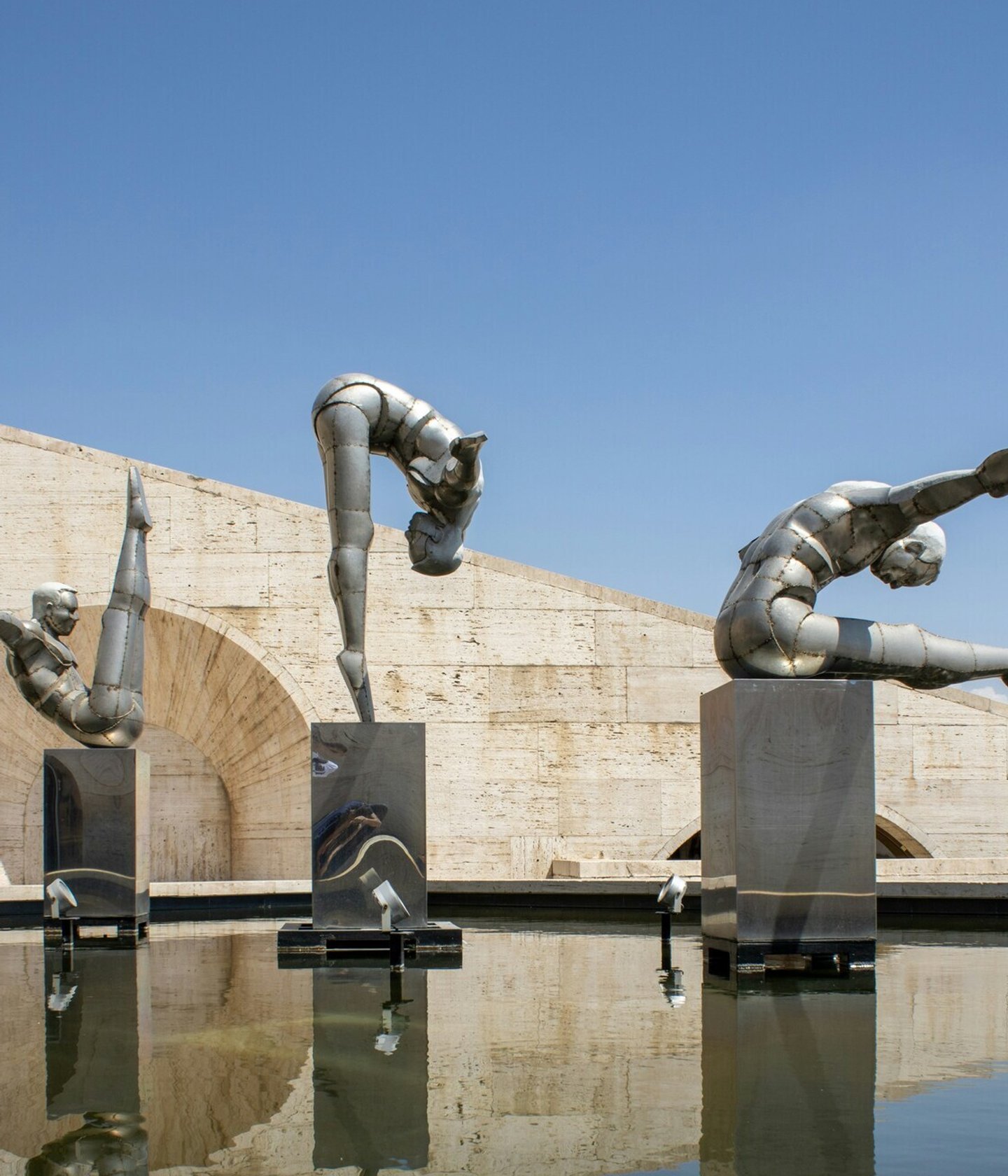
The Cascade is the obvious landmark — a vast staircase of limestone cutting up the hillside, lined with contemporary sculpture and always, at any hour, occupied by someone sitting on its steps doing nothing in particular. At the top, the city opens up below you and Ararat appears on the horizon with the nonchalance of something that has always been there and always will be. The Cafesjian Museum runs through the Cascade's interior, its collection of modern art appearing unexpectedly between escalator rides — a Botero here, a Maillol there, art encountered rather than sought.
Below, the streets of the centre move between Soviet-era grandeur and something older and quieter. The covered market near GUM sells dried fruits, churchkhela hanging in long sugared ropes, and spices arranged with the care of someone who takes their work seriously. Nobody is performing the market for you. They are simply running it.
What Yerevan has, and what many cities have lost, is a genuine public life. People actually use the streets. Families walk in the evenings along the city's boulevards. Old men play backgammon in the squares. Young people gather on the steps of Republic Square not because it is photogenic but because it is the centre and it belongs to everyone. There is something quietly radical about a city that still functions as a city.
The food requires attention. Dolma wrapped tightly in vine leaves, lahmacun from bakeries that have been making it the same way for decades, and the particular pleasure of matzoon — a yoghurt so good it makes you question every other dairy product you have ever eaten. Eating in Yerevan is not a tourist activity. It is what people do, seriously and with care, three times a day.
Three thousand years of continuous habitation leaves marks that no amount of Soviet urban planning can entirely erase. Yerevan has been conquered, rebuilt, and reconceived more times than its residents can easily count. What remains is a city with a long memory and no particular interest in explaining itself. It has seen empires come and go. It is still pink, still unhurried, still entirely itself.
Come with time. Sit in a café longer than you planned. Let the mountain surprise you on a clear morning. The city will not perform for you — but if you stop expecting it to, it will show you something better.