Bourj Hammoud: How Armenian Genocide Survivors Built a Community
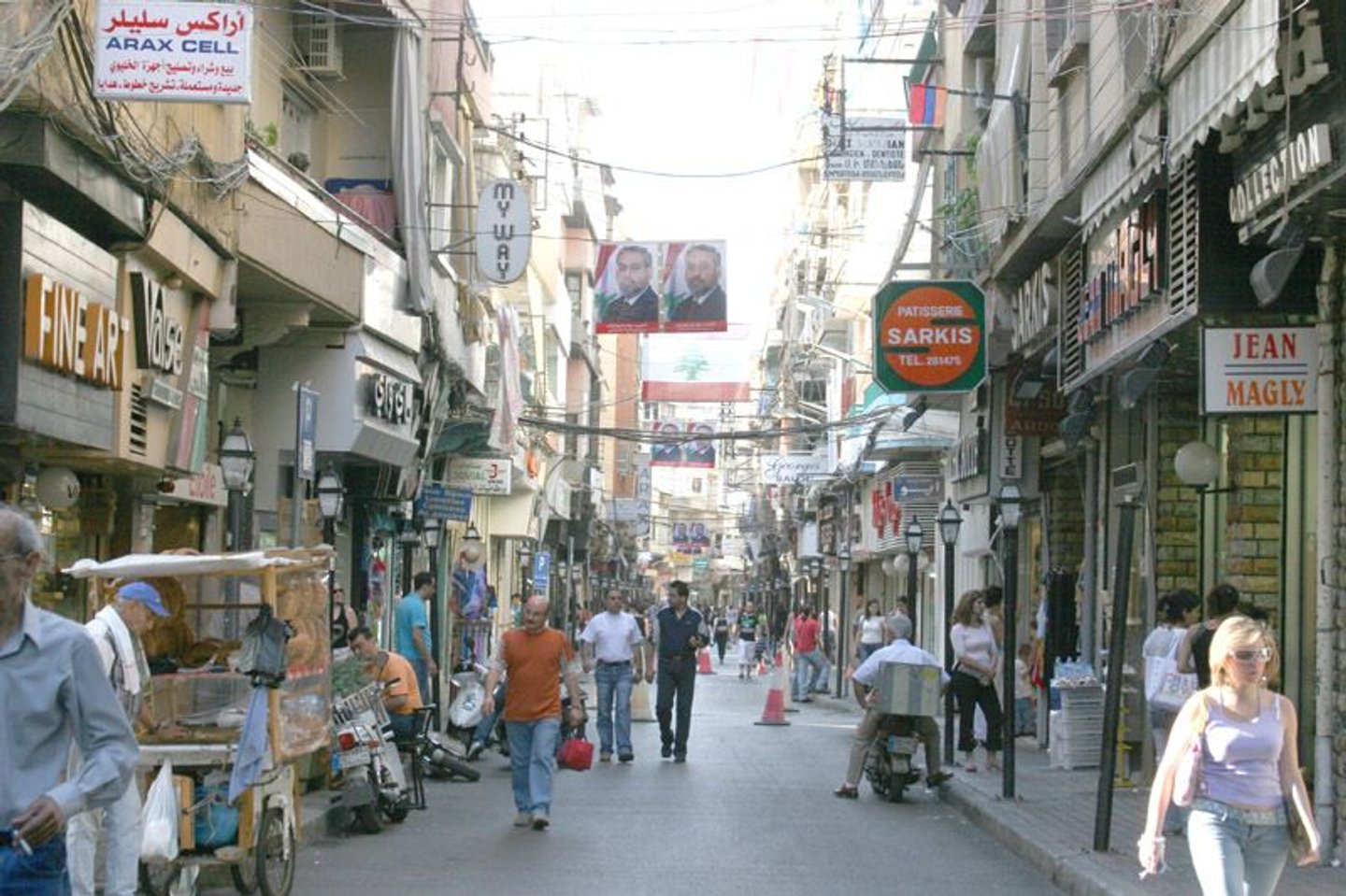
The streets of Bourj Hammoud (برج حمود) are named after cities that no longer exist. Nor Marash. Nor Adana. Nor Sis. Nor means "new" in Armenian, but there is nothing new about these names. They are the cities of Cilicia, in what is now southeastern Turkey, where the families who built this neighbourhood lived before 1915. Before they were marched into the Syrian desert. Before most of them died. The survivors who reached Beirut named their new streets after the old ones, and a century later, residents still call themselves Marashtsi, people from Marash, even though the last person who actually saw Marash has been dead for decades.
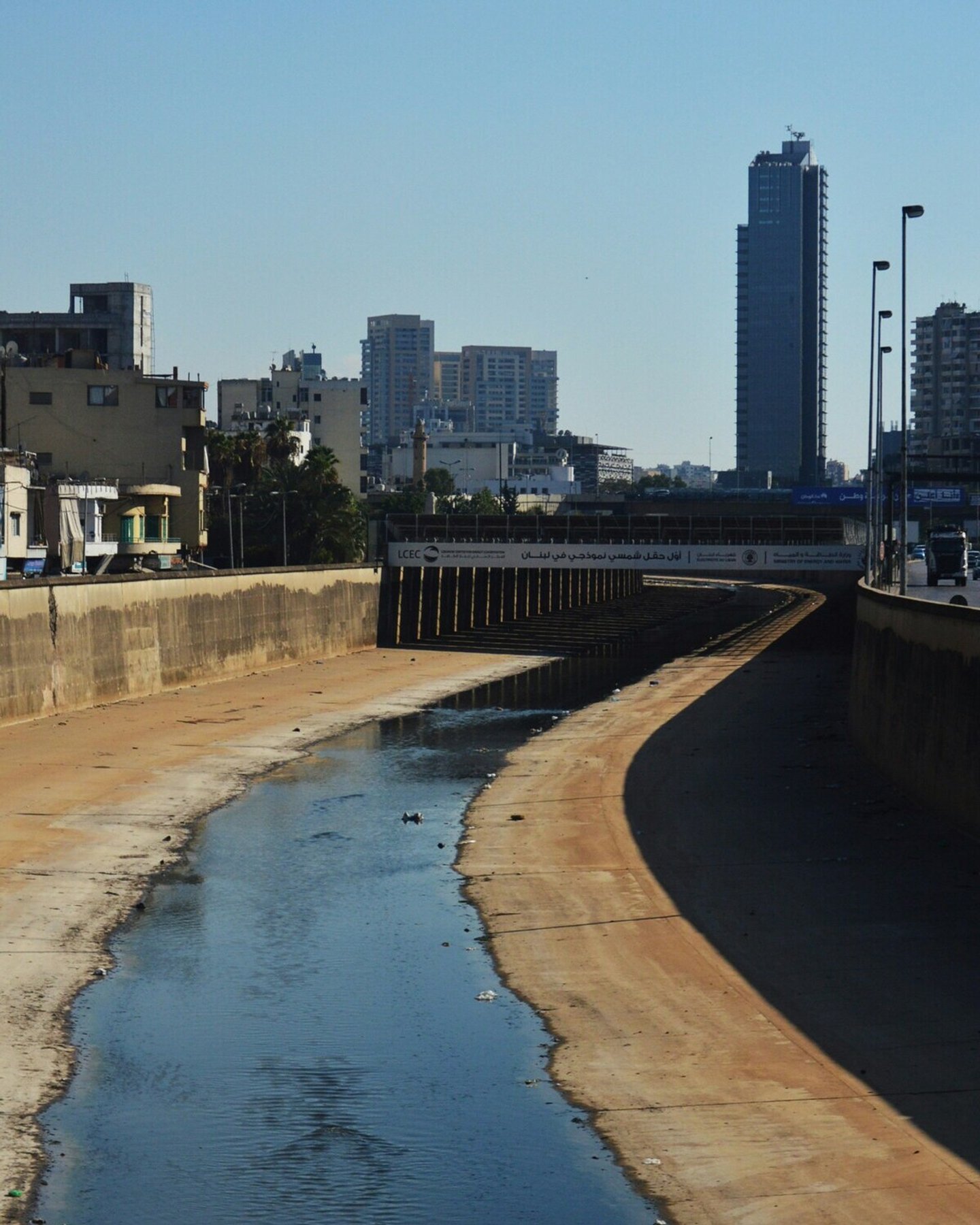
Bourj Hammoud sits just east of the Beirut River, wedged between highways and the Mediterranean. It covers roughly 2.5 square kilometres and holds an estimated 150,000 people. It is one of the most densely populated places in the Middle East. The buildings are two to four storeys, built from the 1930s to the 1970s, with wooden balconies that hang over streets barely wide enough for a car. The architecture looks Balkan. The language sounds Armenian. The food smells like chili, dried fruit, and grilled sujuk from open kitchen windows.
Most cities grow toward something. Bourj Hammoud was built backward, from a place that no longer existed.
From swamp to city
The land wasn't even land, exactly. When Armenian refugees arrived in Beirut after the collapse of the Ottoman Empire, they were given permission to build shacks on the eastern banks of the Beirut River, a stretch of swamp and marshy ground that nobody else wanted. They had walked from Turkey through Syria. Many had spent years in temporary camps in Karantina and Mar Mikhael, the neighbourhoods closer to the port, where frequent fires and pressure from French Mandate authorities made staying impossible.
So they organised themselves. Town associations, grouped by place of origin, pooled what money they had and purchased plots of land in the marshes. People from Adana settled together, people from Marash settled together, people from Sis settled together. Each quarter took the name of their ancestral city, prefixed with nor. What was meant to be a temporary exile became permanent.
Father Boghos Ariss, an Armenian Catholic priest, oversaw the founding. He became the municipality's first mayor when Bourj Hammoud gained independence in 1952. By then, the swamp was a city. Schools, churches, cultural centres, and workshops lined the narrow streets. There is a story about the building of St. Vartanants, one of the first Armenian churches in Bourj Hammoud: a group of men from Nor Marash who were working construction on a palace for the Bsat family in Ras Beirut noticed that the pillar moulds resembled those of their church back in Ottoman Marash. They were given permission to take the moulds home after work. When Mr. Bsat, a Sunni Muslim, came to see what they were building, he found an entire community constructing a church together, children carrying sand in their school bags. He donated the metal windows and doors.
The church was completed in 1931. It still stands.
Sixteen cinemas and a new kind of music
What Bourj Hammoud built wasn't just infrastructure. It was a culture dense enough to sustain a population that had been severed from its homeland and surrounded by a country it didn't quite belong to.
Armenia Street became a hub for jewellers and goldsmiths, trades the community had brought from Anatolia. Marash Street filled with spice shops selling dried fruits, herbs, and more varieties of chili than most people know exist. The workshops produced shoes, bags, clothing, leather goods. At its peak, Bourj Hammoud had sixteen cinemas, showing everything from American westerns to European avant-garde to Asian martial arts. The radio station Vana Tsayn (Voice of Van), still operated by the Armenian Revolutionary Federation, broadcast in Armenian. Graffiti on the walls read: "Speak Turkish less, speak Armenian more." Subtlety was never the point.
And in the 1960s, the neighbourhood produced a music genre. Estradayin, a form of Armenian-language pop that fused Western rock, jazz, and disco with Armenian folk melodies, emerged from social clubs and record stores. Antranig Mardirossian, who ran Lebanon's first record store, recommended a young singer from the neighbourhood to a label called Voice of Stars. His name was Adiss Harmandian. Born in Bourj Hammoud in 1945, to genocide survivor parents. He had been performing in French, the way most Lebanese pop artists did. He switched to Armenian. His single "Dzaghigner" (Flowers) sold out immediately. The genre was deliberate in what it wasn't: it carried no Ottoman or Turkish influence, and no Soviet flavour either. It was something entirely its own, built from the specific condition of being Armenian, in Beirut, after everything.
Harmandian's music did something concrete. It replaced the Turkish songs that still played in Armenian homes with Armenian ones. He recorded around 40 albums, toured the United States, and in 2005 received the Order of Saint Mesrop Mashtots, the first Armenian pop musician to be honoured by the church. He died in Los Angeles in 2019.
He wasn't the only one. Ara Kekedjian, born in 1946, also to genocide survivor parents, fused Armenian dance rhythms with psychedelic guitar and organ grooves. His music shop in Bourj Hammoud, Music Centre, became where young musicians gathered. When the Lebanese Civil War started in 1975, the neighbourhood's producers and artists kept recording. Kekedjian performed in courtyards during ceasefires. Record labels pressed vinyl while bombs fell on neighbouring streets. The nightclubs stayed open. For a community that had already survived one extinction, stopping was never a question.
In 2025, the German record label Habibi Funk reissued Kekedjian's music as "Bourj Hammoud Groove," introducing the neighbourhood's sound, for the first time, to an international audience.
What stays, what shifts
The present tense of Bourj Hammoud is more complicated than its mythology. You could walk down Marash Street today and still hear Armenian, still smell the sujuk, still see the gold workshops lit up at night. But the numbers tell a different story.
Lebanon's Armenian population has dropped from over 200,000 in the 1970s to roughly 100,000 today. Emigration to North America, Europe, and Australia accelerated during the civil war and never reversed. The neighbourhood is now home to Kurds, Shiite Muslims, Ethiopian and Filipino migrant workers, Syrian refugees, and Iraqi Christians. On paper, 68% of registered voters are still Armenian. On the ground, the picture is more mixed. Bourj Hammoud may be the most diverse square kilometre in Lebanon.
Then came the Beirut port explosion of August 4, 2020. Bourj Hammoud sits just off the highway from the port. The blast killed at least 207 people across the city and injured over 6,500. Thirteen of the dead were Armenian. Around 70% of the neighbourhood's shoemaking workshops were damaged or destroyed. And then, in a detail that residents point to with a particular kind of pride, they cleaned it up themselves. While adjacent districts like Mar Mikhael and Gemmayze remained marked by shattered glass and collapsed facades for months, Bourj Hammoud was cleared within days. Armenian youth organisations mobilised, municipal staff worked around the clock, and the community didn't wait for the government to arrive. The government, in most practical senses, did not arrive.
This is the pattern. Bourj Hammoud has always been self-sustaining not by philosophy but by necessity. The French gave them a swamp. The civil war gave them siege conditions. The explosion gave them rubble. Each time, they rebuilt from what they had. Between 2022 and 2025, a UNESCO-led recovery project called BERYT funded apprenticeships for young shoemakers to revive the craft. Someone, at least, believed there was still something here worth preserving.
In October 2024, an Israeli airstrike hit the Nabaa quarter of Bourj Hammoud, the first time the neighbourhood had been directly targeted in the escalation between Israel and Hezbollah. No Armenians were reported killed, but the strike marked a new kind of vulnerability for a community that had spent a century trying to stay out of other people's wars.
The streets still carry the names. Nor Marash, Nor Adana, Nor Sis. The spice shops on Marash Street still sell grape molasses stuffed with walnuts. The jewellers on Armenia Street still work late into the evening. The Voice of Stars record label, founded by Daniel Der Sahakian, still operates from Bourj Hammoud. The Armenian language, a Western dialect spoken almost nowhere else on earth in this particular form, is still heard on these streets.
Whether the neighbourhood remains meaningfully Armenian is a question nobody can answer with confidence. But the names on the streets don't change. They are the names of cities that were taken, placed onto streets that were built from nothing, by people who refused to let the names disappear. That may be enough. It has been enough for a hundred years.